39 macronutrients on food labels
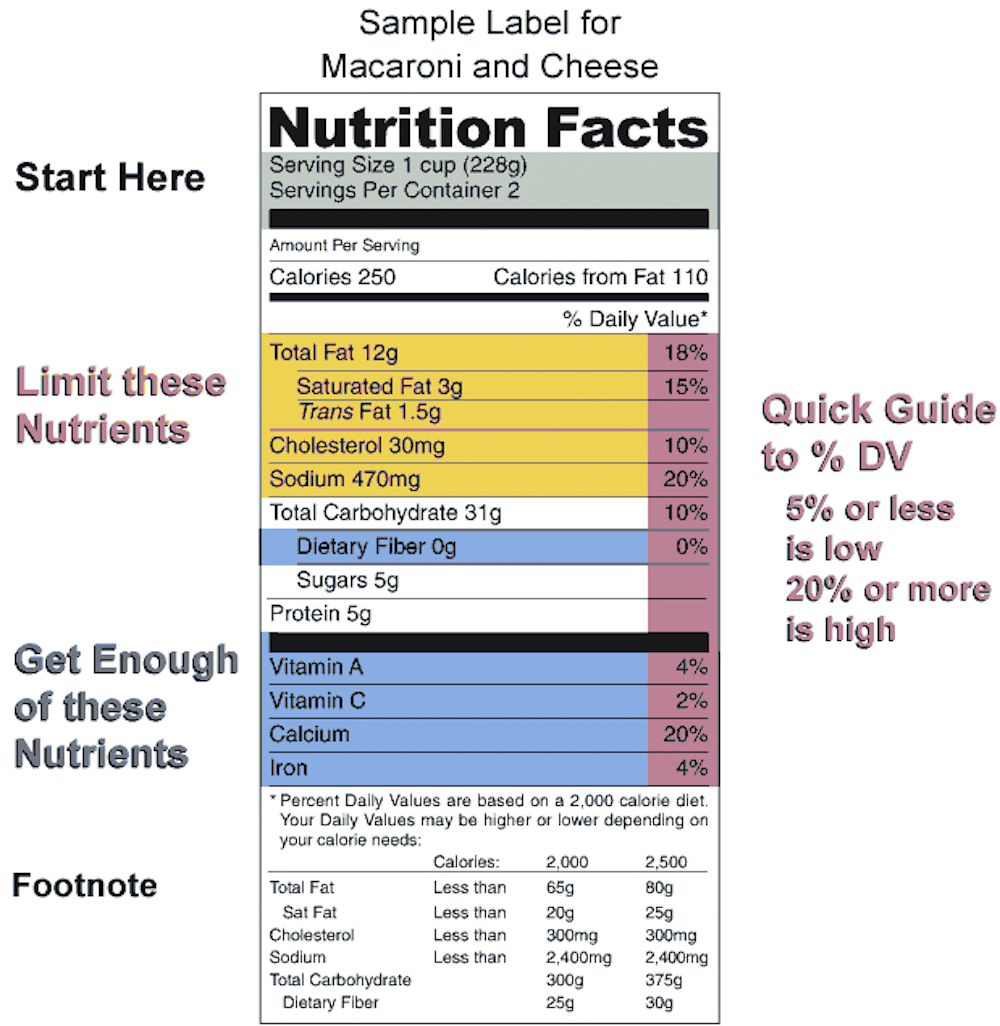
NCDA&CS - Kid's World - Understanding Food Labels Food labels show us if a food has a little or a lot of certain nutrients. Look on the side of a product to find the Nutrition Facts title. You will find the serving size of the food below the nutrition facts title. Similar food products have similar serving sizes. The servings per container are also included to let you compare what you actually ... The Science Behind Calories and Nutrition Facts Labels These main nutrients are fats ( lipids ), proteins and carbohydrates. Some calories you consume every day should come from each of the three nutrients. About 50 to 60% of your calories should come from carbohydrates, 30% of your calories should come from fat and 12 to 20% of your calories should come from proteins (©2020 Let's Talk Science).
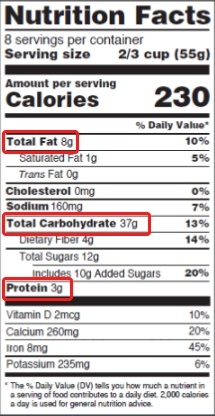
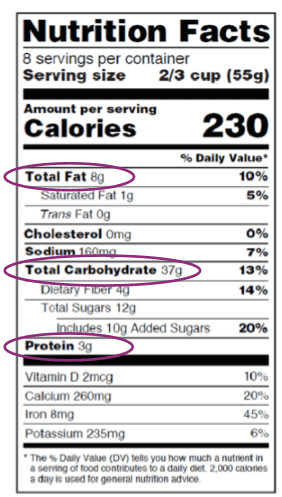
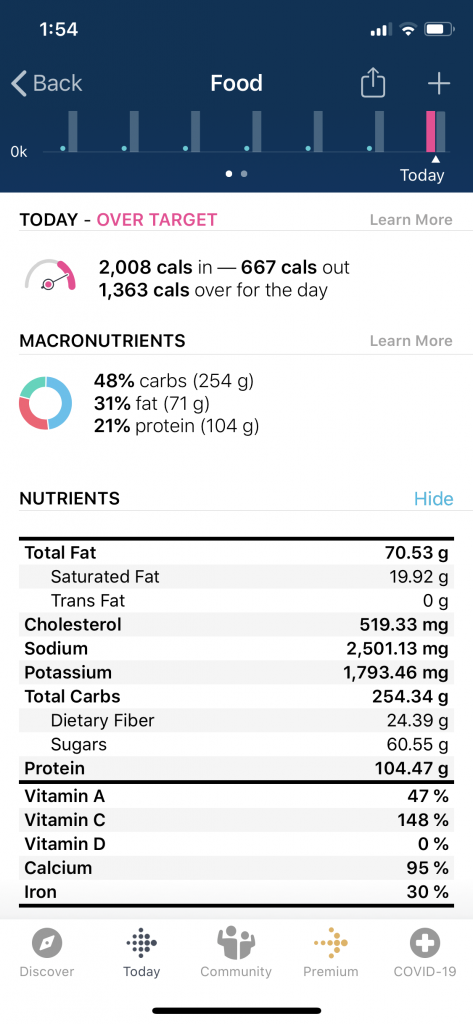
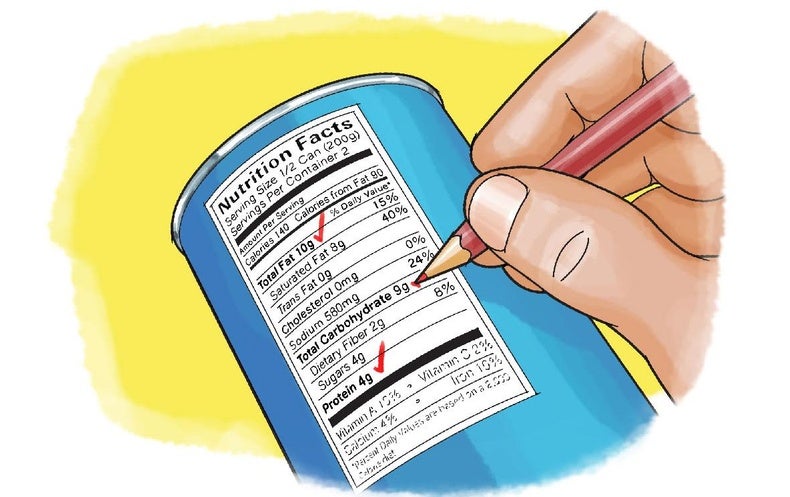
How To Read The Food Labels for Weight Loss Protein, carbohydrates, and fats are considered macronutrients. If your goal is weight loss, this is what you need to keep track of. I personally do not count calories, just macronutrients. So when you're wandering those isles, pick up the item and look for these 3 things. I circled them on this food label so you can see exactly what to look for.

Macronutrients on food labels
Understanding Food Labels and Nutrition - San-J Some of these components help the body activate macronutrients. You'll find examples of micronutrients like B vitamins, Vitamin D, iron, potassium and calcium towards the bottom of the nutrition label, along with their daily value percentages. What About Dietary Fiber? Fiber is a variety of carbohydrate and has two types. Best Macros for Weight Loss: 5 Proven Macronutrient Ratios 21.02.2020 · Macronutrients (or macros for short) are the major components of food that provide your body with energy. They also act as building blocks for all the tissues in your body. On the other hand, calories are units that describe the amount of energy supplied by the foods you eat. Some people believe that the number of calories you eat is all that matters for losing weight. … Healthy Eating As You Age: Know Your Food Groups Feb 25, 2022 · Main food groups Vegetables. Vegetables come in a wide variety of colors, flavors, and textures. They contain vitamins and minerals, carbohydrates, and are an important source of fiber. The vegetable food group includes dark green vegetables, red and orange vegetables, starchy vegetables, and legumes (beans and peas).
Macronutrients on food labels. How To Read Food Labels: What's On it & What to Avoid After that, the label transitions into a breakdown of the macronutrients of the food item. You will first see total fat, which is broken down further into saturated and trans fat (stay away from trans fat). Then, you will see cholesterol followed by sodium. ... In my opinion, the most important part of the food label is the ingredient list that ... SELF Nutrition Data | Food Facts, Information & Calorie ... The Caloric Ratio Pyramid™ The Caloric Ratio Pyramid appears in every ND analysis, and also on ND's Total Consumption report. This symbol lets you see at a glance how the Calories in the food are distributed, and can help you determine if the food aligns with common macronutrient-based diet plans, such as low-carb (e.g Atkins™ or South Beach™), low-fat, high-protein, or Zone™. Macro Calculator: Count Your Macros Like a Pro! - Bodybuilding… Aug 08, 2022 · Weighing food may seem like a lot of counting and not much fun, but it gets easier over time. Fitness coach Vince Del Monte says in the article, "From Here to Macros: 4 Steps to Better Nutrition" that you quickly learn to "eyeball" quantities of both calories and macronutrients after just a few weeks of practice. What Are Macronutrients and How to Count Macros - Food Network Food Labels: 60% Carbs, 30% Fat, 10% Protein Food label "Daily Value" amounts are set by the FDA and based on a 2,000 calorie diet, which is not appropriate for everyone. These macro values may be...
How to Understand and Use the Nutrition Facts Label | FDA - U.S. Food ... Dietary fiber, vitamin D, calcium, iron ad potassium are nutrients on the label that Americans generally do not get the recommended amount of. They are identified as nutrients to get more of.... How Do They Calculate Calories on Food Labels? 22 grams of carbohydrate (22 x 4 = 88 calories) 2 grams of protein (2 x 4 = 8) ...should contain approximately 140 calories. It's important to recognize that 4-9-4 is an average, and not an exact amount. For example, 1 gram of fat in one food may yield 8.34 calories while 1 gram of fat from another food yields 9.7 calories. AMDR: Macronutrient Ranges & Recommendations | WW USA 01.10.2019 · Macronutrients—a group that comprises protein, fat, and carbohydrates—play an important role in wellbeing, too. Simply put: “Macronutrients provide calories for energy,” says Caroline Passerrello, MS, RDN, a spokesperson for the Academy of Nutrition and Dietetics and an instructor at the University of Pittsburgh. “Your body needs them ... How to Read a Nutrition Label For Macros | POPSUGAR Fitness For macros, he broke down how many calories per gram of fat (10 calories per gram), carbs (four calories per gram), and protein (four calories per gram) there are. These numbers will add up to the...
Understanding Food Nutrition Labels | American Heart Association Remember that the information shown in the label is based on a diet of 2,000 calories a day. You may need less or more than 2,000 calories depending upon your age, gender, activity level, and whether you're trying to lose, gain or maintain your weight. When the Nutrition Facts label says a food contains "0 g" of trans fat, but includes ... What Are Macronutrients? All You Need to Know - Healthline Macronutrients, or "macros," are nutrients your body needs in large amounts to function optimally. Carbs, protein, and fat are the three main macros. Macronutrients are a group of nutrients that... Nutrient Recommendations and Databases - National Institutes of Health The label actually provides the %DV so that you can see how much (what percentage) a serving of the product contributes to reaching the DV. DV Tables. For vitamins and minerals, all age categories; For macronutrients (protein, carbohydrates, fats) and other food components (sodium, fiber, added sugars), all age categories; USDA FoodData Central How Do You Know Your Food's Nutrition Facts Label Is Accurate? NIST's measurements are accurate to within 2% to 5% for nutrient elements (such as sodium, calcium and potassium), macronutrients (fats, proteins and carbohydrates), amino acids and fatty acids. As you may have noticed, most of your favorite food items have recently updated their nutrition facts labels.
Ag's Cool - Nutrition - Understanding food labels
Macromolecules, macronutrients - how are they digested? Macronutrients are the essential molecules that provide dietary energy to the body. They can be broken down into the following three nutrients. Carbohydrate Starch and sugars fall into the category of carbohydrates. Starch and sugars are made up of building blocks called monosaccharides (a monosaccharide is typically a single sugar unit).
How Do You Know Your Food's Nutrition Facts Label Is Accurate ...
The Ultimate Guide To Macronutrients: Understanding ... - Swolverine Macronutrients (or macros for short) are the specific molecules that contain energy and nutrients to make up calories. Every calorie of food that you eat can be broken down into three main groups that contain energy (aka calories). Carbohydrates (1g carb = 4 calories) Protein (1g Protein = 4 calories) Fats (1g Fat = 9 calories)
:max_bytes(150000):strip_icc()/Untitled-design-1--57535a9a5f9b5892e8c4a7b4.jpg)
How to Read Nutrition Labels
How to Read a Nutrition Label — and Finally Get Your Macros Right All whole foods provide a mixture of macronutrients (also known as macros) and micronutrients — which you'll see on a nutrition label. Advertisement As their respective names state, macronutrients are the nutrients that our bodies need in large amounts and are made up of: Fats Carbohydrates (including fiber and sugar) Proteins

Tracking Macros Of Raw Vs Cooked Meat (and Other Foods)
Nutrition Fact Label Generator Software | Nutritional Label Maker Creating nutrition facts labels for your food products couldn’t be easier with Menusano. Simply input the quantities of the ingredients that comprise each product and MenuSano will display the nutritional information that can be instantly downloadable as an image or a PDF file, which can be sent to a graphic designer or uploaded into a printing software.
Avatar Nutrition What Are Macros?
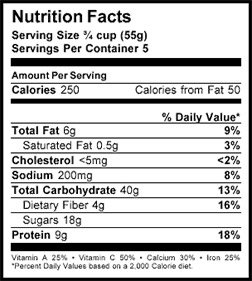
Food Labels | CDC - Centers for Disease Control and Prevention If you eat the whole thing, you are eating 8 times the amount of calories, carbs, fat, etc., shown on the label. Total Carbohydrate shows you types of carbs in the food, including sugar and fiber. Choose foods with more fiber, vitamins, and minerals. Choose foods with lower calories, saturated fat, sodium, and added sugars. Avoid trans fat.
How Accurate Are Calorie Counts?
1.2.1. Learning From Food Labels - Concordia University The Acceptable Macronutrient Distribution Range (AMDR) is the calculated range of how much energy from carbohydrates, fats, and protein is recommended for a healthy diet adequate of the essential nutrients and is associated with a reduced risk of chronic disease.

The 4 Most Common Mistakes Made on Nutrition Facts ...
Daily Value on the New Nutrition and Supplement Facts Labels For the nutrients with DVs that are going up, the %DVs may go down. For example, the DV for total fat has been updated from 65g to 78g. That means that a packaged food with 36g of total fat in one ...
What Are Macros? | Biceps After Babies
What are Macros in Food, and Should You Count Them? 29.03.2022 · What are macros? Short for macronutrients, macros are the fat, protein and carbohydrates that make up food and help you create energy. You can find them called out on nutrition labels. When you count macros and adjust their ratios, you can use them to achieve health goals like weight management, to gain muscle or to get into ketosis.

Understanding Food Labels & Knowing What To Look For!
How Do I Determine the Macronutrient Content of Fresh Foods? - Healthline A 1/2 cup (90 grams or 119 ml) of fresh fruit or fruit juice, or a 1/4 cup (50 grams) of dried fruit, contains 15 grams of carbs, 0 grams of protein, and 0 grams of fat. Milk. One cup (237 ml) of...
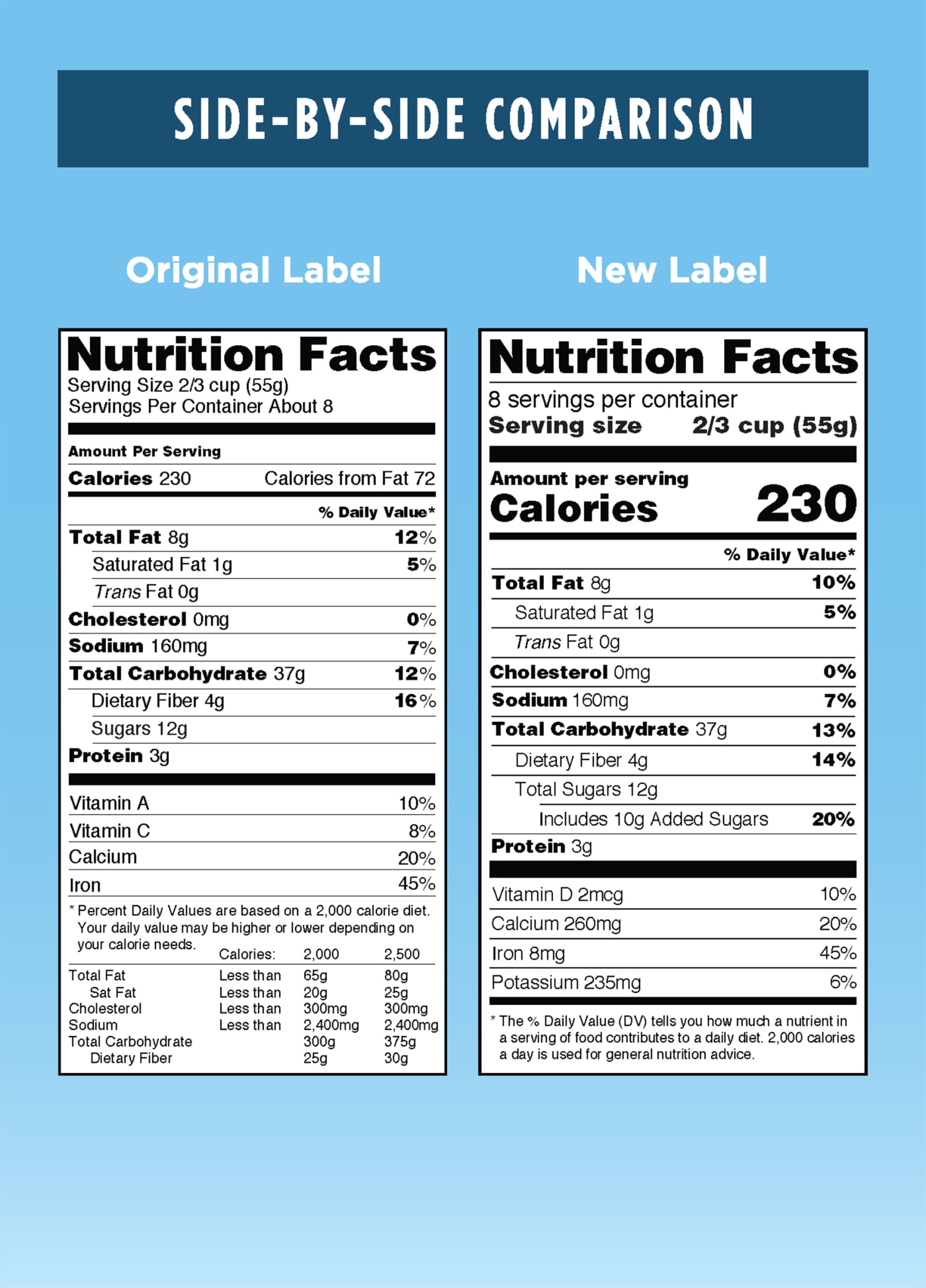
Here's what the new nutrition facts food labels look like
Nutrition Facts Labeling — FDA Reader Vitamins, Minerals and Macronutrients. The following vitamins and minerals are required on the nutritional label "Supplemental Facts" section. They must be measured in terms of percentage of daily value and weight. The minimum requirement is listed below (must be listed in this order): Vitamin D, Calcium. Iron.
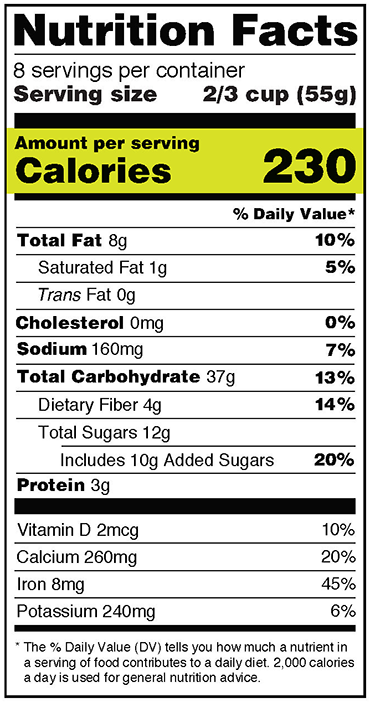
Calories on the New Nutrition Facts Label | FDA
Macronutrients_Micronutrients_Food_Labels.pdf - Course Hero Nutrition information is available for many types of foods. Nutrition Facts labels are one source of this information. These labels contain information about the amounts of macronutrients and micronutrients in foods. For example, look at the Nutrition Fact Label for roasted peanuts and a medium-size apple on the following page. Notice that this label contains the following information.

Food Labels -- Nutrition information and misinformation (Page ...
5 Understanding Food Labels and Health Claims - Maricopa This label is called a Nutrition Facts panel, which gives information on the number of servings per container, the number of calories per serving, and certain nutrients. Specifically, it lists the macronutrients and four of the most important micronutrients people need to pay special attention to, such as Vitamin D, Calcium, Iron, and potassium.

Using the Nutrition Facts Label: For Older Adults | FDA
(PDF) Macronutrients compliance between foods labels and marketing ... Nutrition and Dietetics Food Labeling Macronutrients compliance between foods labels and marketing package content values Authors: Yahya Pasdar Kermanshah University of Medical Sciences Mitra...

How to Determine the Nutritional Value of Food - FoodCrumbles
FDA Daily Nutritional Requirements to Help You Eat Right Mar 20, 2019 · When you're reading about nutrition, you'll often see a variety of terms used to refer to your daily nutritional needs. These terms are issued by multiple bodies, including the Food and Nutrition Board or the Food and Drug Administration, or FDA. A few common labels you may have seen on nutritional information include:
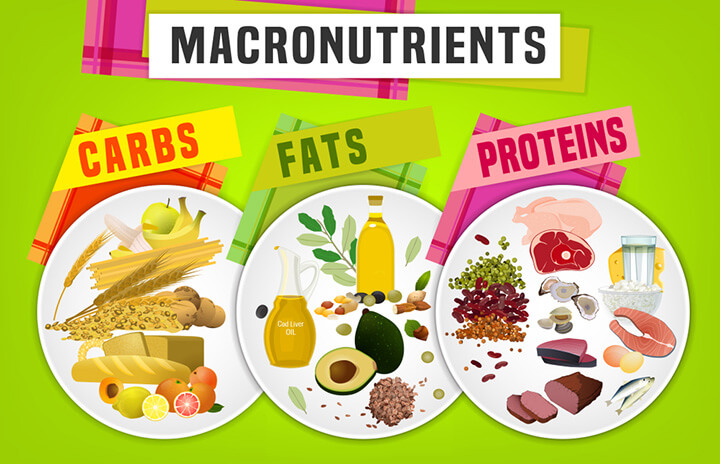
What Are Macronutrients? Nutrition Knowledge You Should Know
Food labels - NHS This type of label includes information on energy (kJ/kcal), fat, saturates (saturated fat), carbohydrate, sugars, protein and salt. It may also provide additional information on certain nutrients, such as fibre. All nutrition information is provided per 100 grams and sometimes per portion.

Food Labels - Nutrition Labels - How To Read Food Labels Nutrition Facts
macronutrients, digestion, and food labels Flashcards | Quizlet Protein, fats & carbohydrates, digestion, and food labels Terms in this set (34) macronutrient a nutrient required by the body in relatively large amounts Proteins are amino acids used to build and maintain cell tissue Protein is needed for growth and repair of tissues, maintenance,help with digestion, oxygen through blood, enzymes, hormones
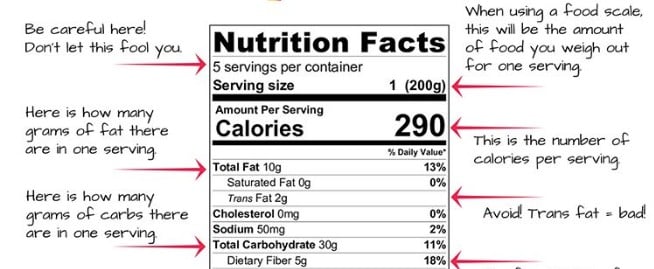
How to Read a Nutrition Label For Macros | POPSUGAR Fitness
Macro Math Is Hard: Understanding Nutrition Labels & Calculating Macros ... Step 3: Calculate your MacroNutrients Once you understand how to read a label and have tools to measure the food, you can figure out how much protein, carbs, & fat (macros) you have present. Let's say you need 25 grams of carbs for your meal and you want to get it from the whole-grain pasta. Here's the label again.

Understanding Macros/Calories & How To Read A Nutrition Label ...
Nutrient Claims on Food Labels - Clemson University At least 25% less sugar*. Fiber Claims. (If food is not low in total fat, the label must state total fat in conjunction with the fiber claims.) High fiber. 5 grams or more. Good source of fiber. 2.5 grams to 4.9 grams. More or added fiber. At least 2.5 grams more*.
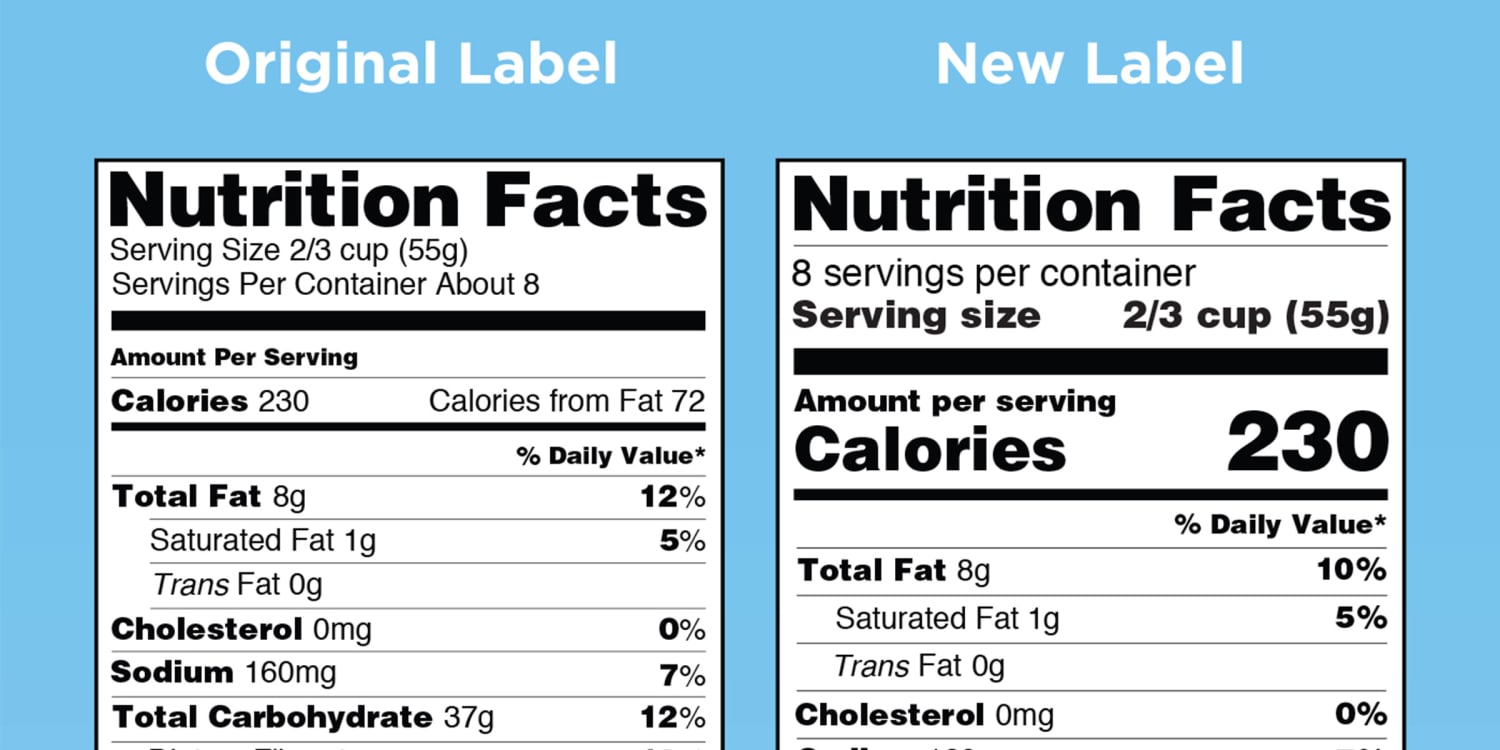
Here's what the new nutrition facts food labels look like
Healthy Eating As You Age: Know Your Food Groups Feb 25, 2022 · Main food groups Vegetables. Vegetables come in a wide variety of colors, flavors, and textures. They contain vitamins and minerals, carbohydrates, and are an important source of fiber. The vegetable food group includes dark green vegetables, red and orange vegetables, starchy vegetables, and legumes (beans and peas).
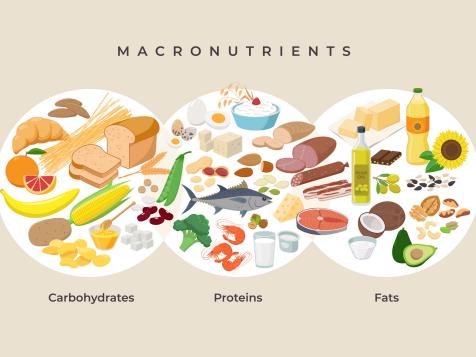
What Are Macronutrients and How to Count Macros | Food ...
Best Macros for Weight Loss: 5 Proven Macronutrient Ratios 21.02.2020 · Macronutrients (or macros for short) are the major components of food that provide your body with energy. They also act as building blocks for all the tissues in your body. On the other hand, calories are units that describe the amount of energy supplied by the foods you eat. Some people believe that the number of calories you eat is all that matters for losing weight. …
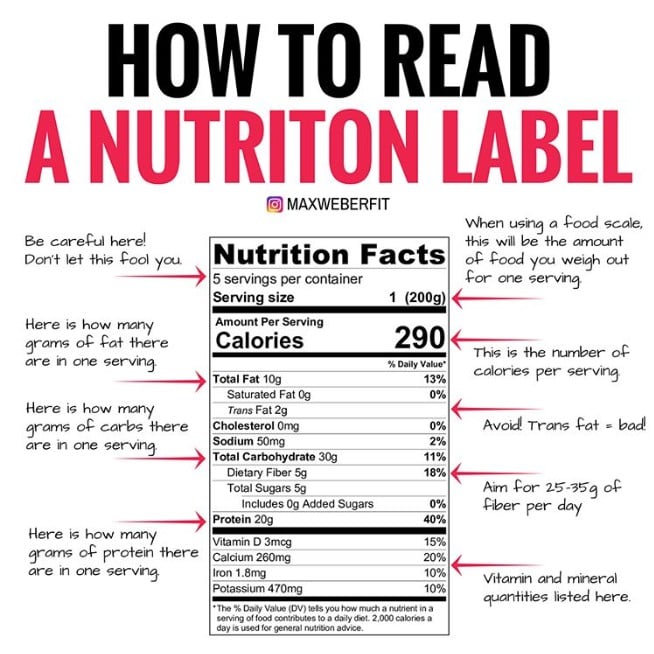
How to Read a Nutrition Label For Macros | POPSUGAR Fitness
Understanding Food Labels and Nutrition - San-J Some of these components help the body activate macronutrients. You'll find examples of micronutrients like B vitamins, Vitamin D, iron, potassium and calcium towards the bottom of the nutrition label, along with their daily value percentages. What About Dietary Fiber? Fiber is a variety of carbohydrate and has two types.
Nutrition Labels Assignment by n h
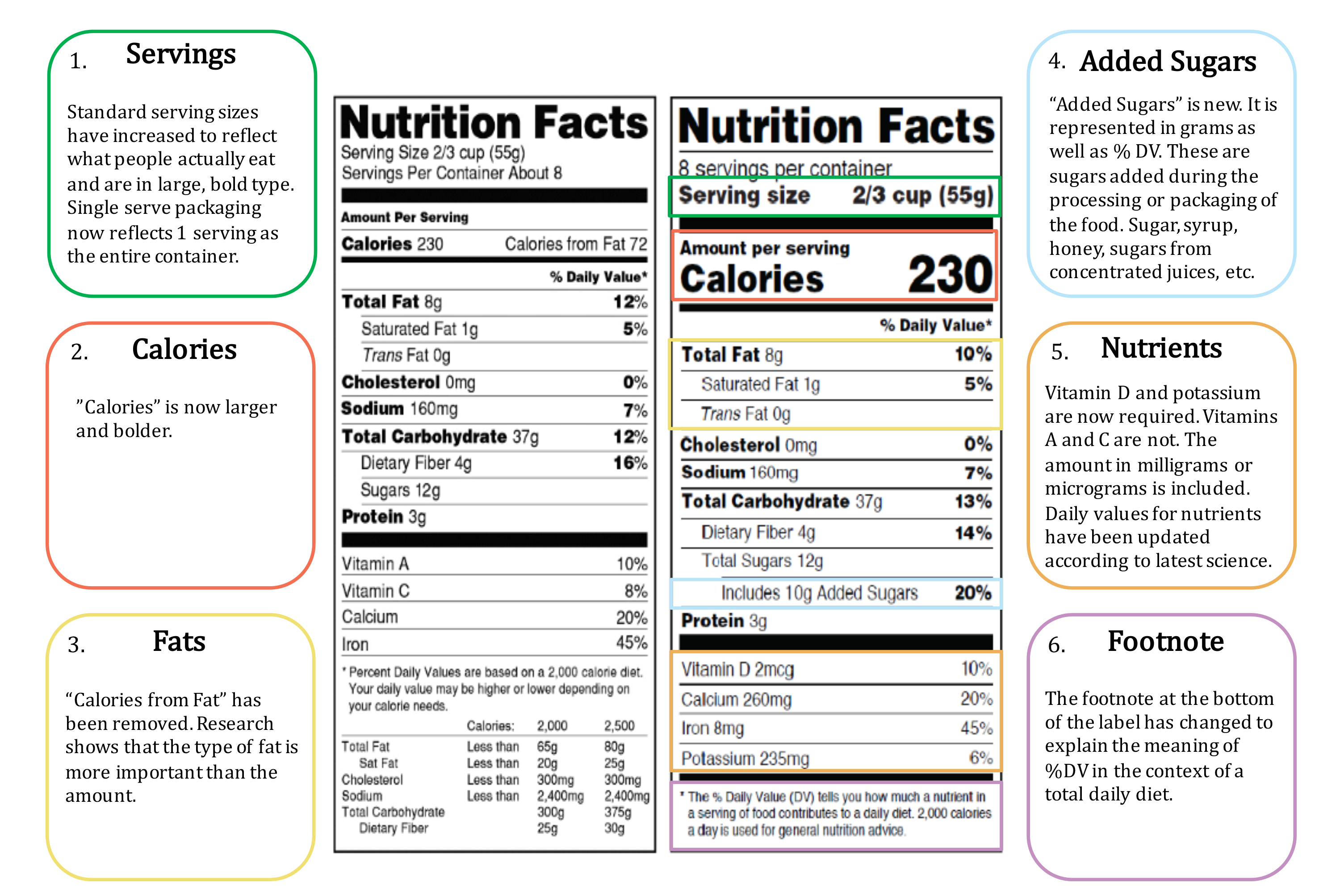
Whats New on the Nutrition Facts Label?
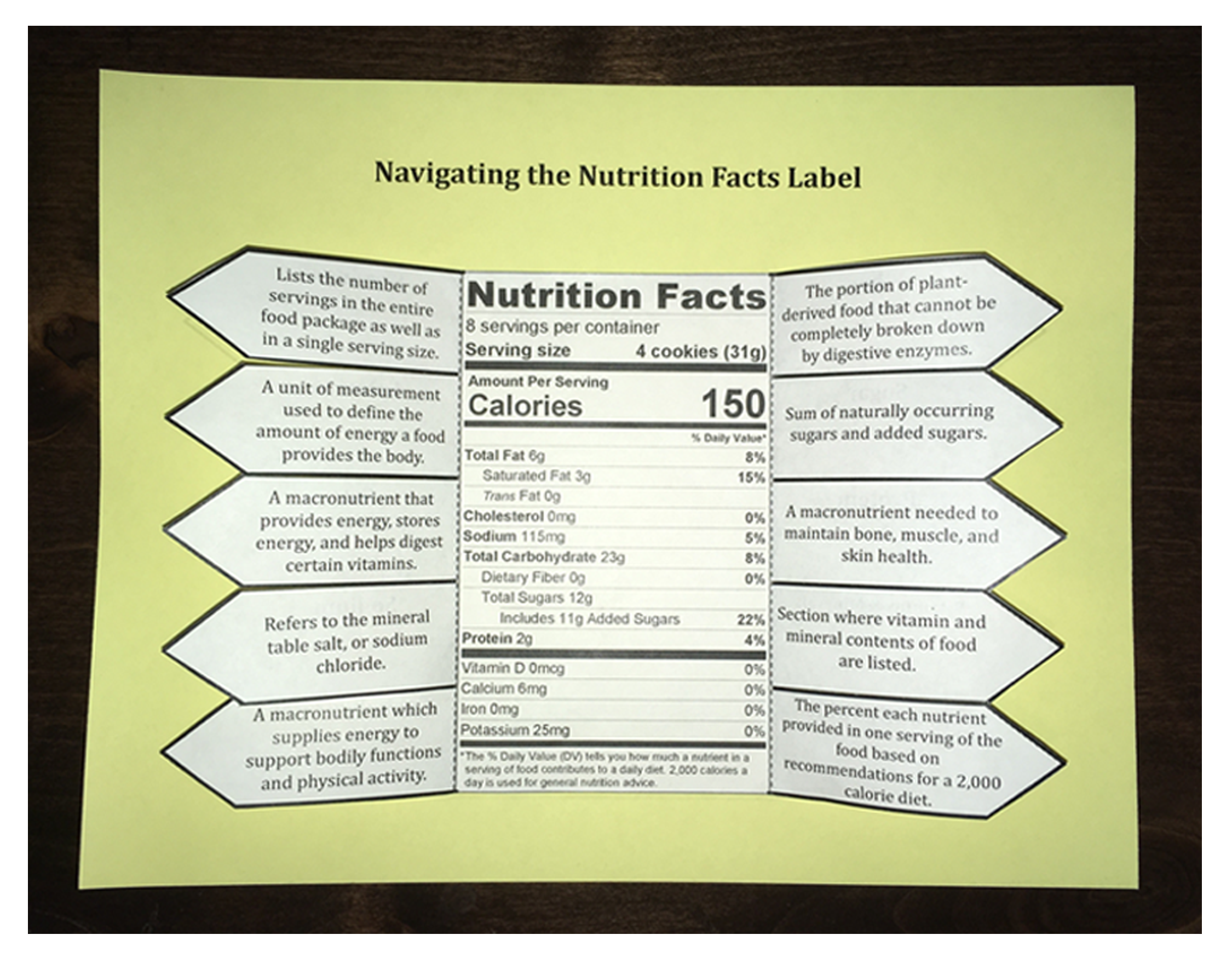
Whats New on the Nutrition Facts Label?
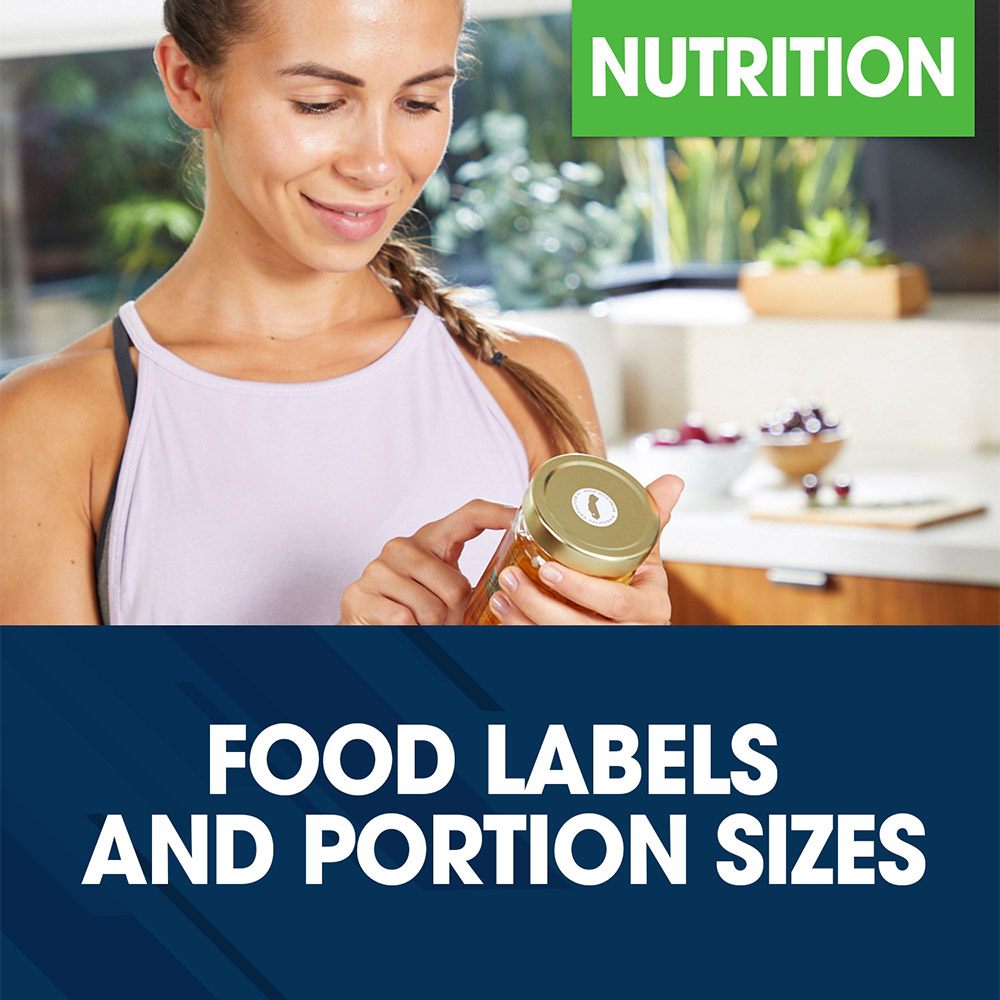
NASM Nutrition Series: Understanding Food Labels and Portion ...
Nutrition at a Glance | nutritioneducationstore.com

What Are Macros and Should You Be Counting Macros?

Using Food Labels » FCS Focus

How to Read Food Labels: 15 Explanatory Pointers

Reading Nutrition Labels worksheet
Why most food labels are wrong about calories
What You Need to Know About Tracking Your Eating Habits ...

What you should know about the Nutrition Facts Label when you ...

Ready to Track Your Macros? Here's Everything You Need to ...

Macro Math Is Hard: Understanding Nutrition Labels ...
How to Read Nutrition Facts | Food Labels Made Easy

Understanding Food Labels | The Nutrition Source | Harvard ...

Federal Register :: Food Labeling: Revision of the Nutrition ...
Food Sleuthing: Find the Missing Ingredient - Scientific American
Post a Comment for "39 macronutrients on food labels"